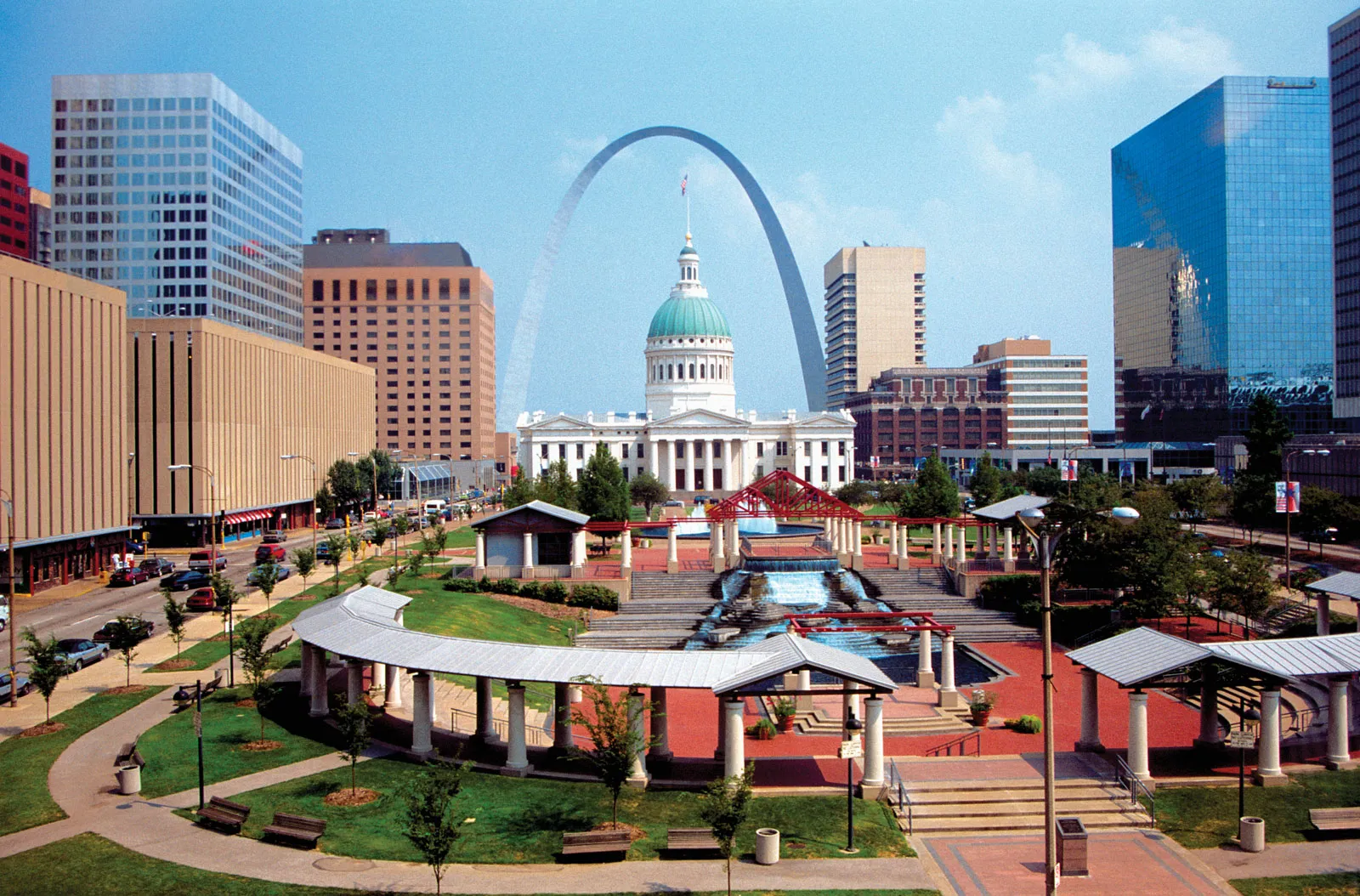
Kirkwood is a small-inventory submittal environment: the walkable downtown and surrounding neighborhoods produce only a handful of qualifying replacement buildings at any given time, so the review package has to be scoped for scarcity rather than volume, and every candidate has to be tracked closely from first listing through closing.
Reading the Kirkwood Inventory
Kirkwood is one of the older inner-ring suburbs on the St. Louis rail line, centered on a walkable downtown that still functions as its actual commercial core rather than as a redevelopment project waiting to happen. The Amtrak depot, the weekly farmers market grounds, and the storefronts along Kirkwood Road and Argonne Drive anchor a small-format retail base that has changed little in footprint even as individual ownership has turned over across decades.
Because so much of the building stock is small and owner-managed, a Kirkwood submittal package has to work from actual listings and confirmed availability rather than assumed comparable sales, since the number of transacting properties in any given year is limited. Sellers here are frequently long-tenured owner-operators rather than institutional landlords, which changes how a buyer should approach the initial outreach and how quickly a listing can move from inquiry to signed contract.
Property Types That Clear a Kirkwood Scope Review
Candidates that typically clear an initial scope review in Kirkwood fall into a narrow band:
- small-footprint retail storefronts near downtown
- mixed-use buildings with ground-floor commercial and upper-floor residential
- single-tenant professional office buildings
- small multifamily buildings under roughly twenty units
- service-commercial buildings along Manchester Road and Big Bend Road
Buildings outside this band, such as larger big-box retail or purpose-built industrial, are uncommon inside the Kirkwood city limits and usually require widening the search into adjacent West County submarkets.
Access, Rail Identity, and Tenant Character
Kirkwood's Amtrak stop and Metrolink connection give it a commuter identity that supports steady foot traffic for downtown retail and keeps small multifamily occupied without heavy concession activity. Manchester Road and Lindbergh Boulevard carry the larger-format traffic, while the historic core around Argonne Drive stays lower-scale and pedestrian.
Tenant character in Kirkwood skews toward long-tenured local operators rather than national credit tenants, which changes how a submittal package should present lease strength: tenure and renewal history often carry more weight than brand recognition.
Line-Item Risks in a Thin Kirkwood Market
The recurring risks on a Kirkwood file are age-related rather than market-related: older mechanical systems, limited on-site parking, and building footprints that cannot easily expand to add square footage or additional parking stalls. Pricing can also run ahead of in-place income when a seller is marketing the location and school district rather than the lease file itself, which can leave a buyer paying for reputation instead of documented cash flow.
A disciplined review keeps the underwriting file focused on rent roll durability, deferred maintenance estimates, and parking capacity, and treats the neighborhood's reputation as supporting context rather than as a substitute for those figures. A recent roof, HVAC, or electrical inspection report should be part of the submittal file before a Kirkwood candidate is treated as underwriting-ready, since sellers in this market do not always keep that documentation current.
Submittal Timing and Advisor Sign-Off
Given how few Kirkwood buildings trade in a typical identification window, investors targeting this submarket often keep a backup candidate in a neighboring suburb in case the primary Kirkwood property falls out of contract inside the 45-day identification period. The qualified intermediary should have both the primary and backup files at the same time, with financing terms and any parking or zoning questions already answered.
Before the 180-day exchange period closes, the CPA and qualified intermediary should confirm that the Kirkwood property's debt and equity mix does not create unexpected boot relative to what was relinquished.
Common 1031 Exchange Questions
Why does a Kirkwood 1031 exchange search sometimes take longer to fill out an identification list?
Kirkwood's commercial inventory is small and turns over infrequently, so there may be fewer active listings than in a larger submarket. Investors often keep a nearby suburb as a backup candidate to protect the 45-day identification window.
Are national credit tenants common in Kirkwood retail buildings?
Less so than in larger shopping centers elsewhere in the metro. Kirkwood's downtown retail tends toward long-tenured local operators, so lease review should weigh renewal history and tenant tenure rather than assuming brand-name credit.
Does an older Kirkwood building still qualify as like-kind replacement property?
Age does not affect like-kind qualification for real property. The building's condition matters for underwriting and financing, not for whether it satisfies the exchange rules, but a lender may still require reserves for deferred maintenance.
What happens if a Kirkwood property drops out of contract during the identification window?
If a backup candidate was already identified within the 45-day window, the investor can shift to that property. This is why many Kirkwood searches include a secondary candidate from a neighboring suburb from the start.
Who should confirm parking and zoning questions before a Kirkwood property is finalized?
The investor's qualified intermediary, lender, and closing attorney should all have the zoning and parking findings before the file is treated as final, since these issues are more common in Kirkwood's older, smaller-footprint buildings than in newer suburban construction.
Does Kirkwood's commuter rail identity actually affect leasing outcomes?
It can support steady foot traffic for downtown retail and rental demand for nearby small multifamily, since the Amtrak stop and Metrolink connection give the area a commuter draw that a purely car-dependent suburb would not have.