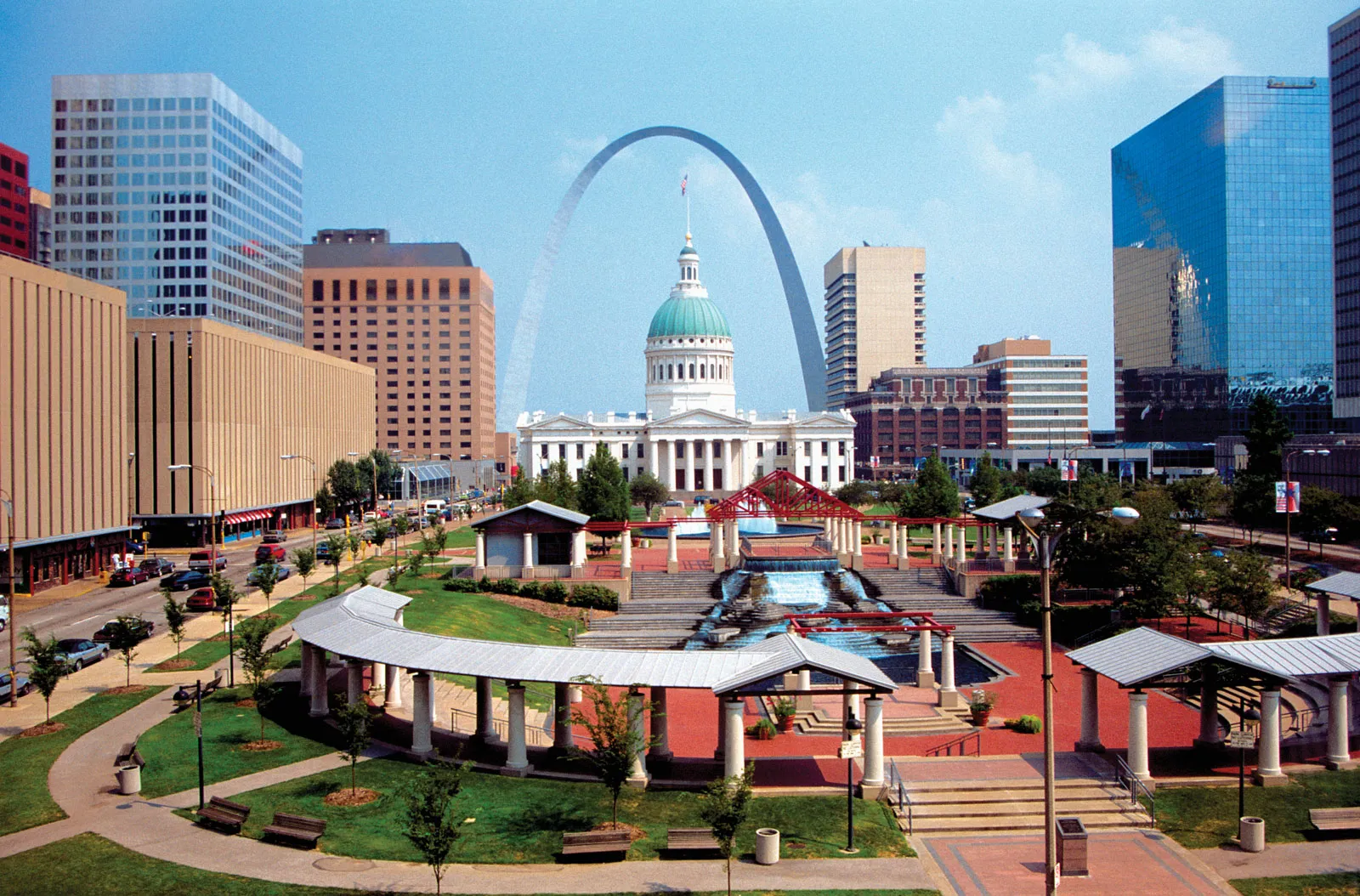
Kansas City replacement-property sourcing for a 1031 exchange works best when it is scoped like a bid package: define the asset classes in play, qualify the submittal pool against the metro's rail and interstate infrastructure, and hold every candidate to the same closing calendar the qualified intermediary is already tracking.
Kansas City Submittal Package Scope
Kansas City sits at the junction of several Class I rail lines and the intersection of I-35, I-70, and I-29, which keeps industrial and logistics buildings near the top of most replacement submittal lists. Investors exchanging out of coastal or gateway-market assets often size Kansas City distribution buildings, rail-served warehouse space, and last-mile facilities against a lower basis and a simpler operating profile than what they are leaving.
The metro also carries meaningful multifamily and medical office demand tied to its hospital systems and university presence, along with retail assets anchored around the Country Club Plaza, Crossroads, and River Market districts downtown. Because the metro straddles the Missouri-Kansas state line, a submittal package built for a Missouri-based exchange should flag when a comparable asset actually sits on the Kansas side, since title work, property tax assumptions, and some closing mechanics shift with the state line even when the investment thesis looks identical on paper.
Bid-List Asset Classes Across the Two-State Metro
A Kansas City replacement scope typically narrows to a short list of asset classes before individual candidates are identified:
- rail-served industrial and last-mile distribution buildings
- garden and mid-rise multifamily communities
- medical office and outpatient buildings near the metro's hospital campuses
- single-tenant net lease retail along the interstate loop
- redevelopment-adjacent mixed-use buildings near the urban core
Each class carries a different underwriting emphasis, and a submittal that mixes categories without flagging the differences in financing, management intensity, and tenant depth tends to slow the identification stage rather than speed it up.
Procurement Corridors: Rail, Interstate, and River Access
The I-435 loop, the I-70 corridor running east from downtown, and the Northland growth areas north of the Missouri River each function as their own procurement zone. Downtown and the Crossroads Arts District draw redevelopment and mixed-use interest, the Plaza and Brookside submarkets support retail and boutique multifamily, and the industrial base clusters along rail-served corridors on both sides of the metro.
A specification written for one zone rarely transfers cleanly to another. A warehouse candidate near the intermodal facilities has a different tenant profile and lease structure than a retail building near the Plaza, and a submittal package should treat them as separate line items rather than interchangeable options on the same list.
Line-Item Risks on Kansas City Candidates
Kansas City submittals carry a handful of recurring risk flags: state-line comparisons that mix Missouri and Kansas tax and title assumptions, industrial buildings with single-tenant concentration tied to logistics contracts that can turn over, older retail centers near the urban core that need capital reserves, and multifamily assets where rent growth assumptions outpace what the submarket has actually delivered.
A disciplined review separates the asset's location story from its underwriting file, so a candidate is accepted or rejected on lease terms, physical condition, and financing fit rather than on the strength of the neighborhood description alone.
Award Sequence, QI Coordination, and Advisor Handoff
Once a shortlist is set, the award sequence runs on the same clock as any other exchange. The qualified intermediary holds proceeds and prepares identification paperwork, the 45-day identification window sets the deadline for naming replacement candidates, and the 180-day exchange period governs when title has to close.
A Kansas City submittal package should reach the CPA, qualified intermediary, lender, and title company in the same form at the same time, with financing assumptions, tenant estoppels, and any state-line title questions already flagged rather than discovered during underwriting. Investors weighing more than three candidates should confirm with their qualified intermediary and tax advisor whether the three-property rule or the 200 percent rule governs the identification, since Kansas City deals often mix asset classes in a way that changes which rule applies.
Common 1031 Exchange Questions
Does a Kansas City replacement property on the Kansas side of the metro still qualify for a Missouri-based exchange?
Like-kind treatment for real property is not limited by state lines, so a Kansas-side asset can still qualify. The practical differences are in title work, transfer tax, and property tax assumptions, which investors should confirm with their qualified intermediary and closing team before it goes on the identification list.
How does the identification window work when comparing industrial and multifamily candidates at the same time?
The 45-day identification window applies regardless of how many asset classes are under review. Investors identifying more than three properties should confirm with their qualified intermediary whether the 200 percent or 95 percent rule applies, since mixing classes can change the math.
What documentation does a Kansas City industrial candidate typically need before it goes on the submittal list?
Lease abstracts, rent roll, recent operating statements, and any environmental or title exceptions tied to the rail-served parcel are standard. A qualified intermediary and lender will also want confirmation of loan assumability or new financing terms before the file is treated as ready for identification.
Can boot show up in a Kansas City exchange if the replacement property carries a different loan balance?
Yes. If the debt or cash received on the replacement side is lower than what was relinquished, the difference can be treated as boot and become taxable. A tax advisor should review the debt and equity structure of any Kansas City candidate before it is finalized.
Who should see the Kansas City submittal package before a deadline closes in?
The qualified intermediary, the investor's tax advisor or CPA, the lender, and the title company should all receive the same package, ideally before the 45-day window narrows the list, so financing and title issues surface while there is still time to substitute a backup candidate.