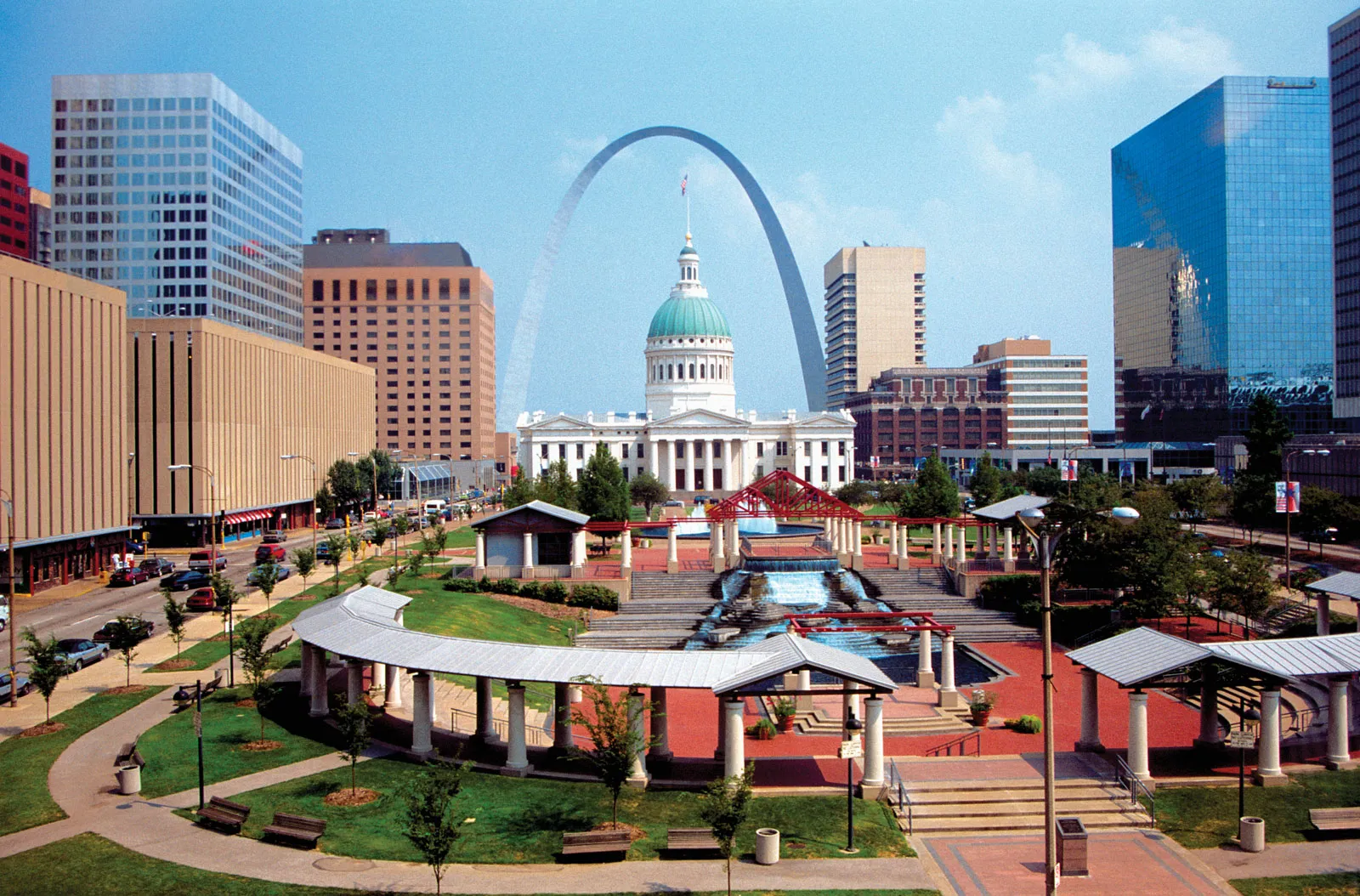
Florissant is a mature north St. Louis County suburb built out well before the region's newer growth corridors, with a stock of older rental housing and neighborhood retail rather than recent construction. A replacement search here trades lower basis pricing for more building-condition diligence than a newer submarket demands.
An Established Inner-Ring Suburb
New Halls Ferry Road and West Florissant Avenue carry the bulk of the city's retail, much of it built decades ago and leased to independent operators rather than national chains, while Old Town Florissant retains a small historic commercial core near the original settlement. Lindbergh Boulevard and Charbonier Road connect the city to the surrounding north county communities.
Proximity to St. Louis Lambert International Airport supports some light-industrial and flex-warehouse use along the city's eastern edge, a category less common in the west county submarkets.
Property Types Available Here
- Small multifamily buildings from the 1960s through 1980s
- Neighborhood retail strips along New Halls Ferry Road
- Independent-operator commercial space in Old Town Florissant
- Light-industrial and flex-warehouse near the airport corridor
- Owner-occupied commercial buildings suited to smaller investors
Condition And Insurance Diligence
Because much of Florissant's commercial and multifamily stock predates modern building codes, a submittal package should include a capital needs assessment covering roofing, mechanical systems, and any deferred maintenance before a property is added to the identification memo. Insurance premiums on older buildings have risen faster here than in newer submarkets, which can materially affect underwritten cash flow if not confirmed early.
Rent collection consistency should be reviewed alongside physical condition, since tenant stability in this market varies more building to building than in newer, professionally managed developments.
Closing Path For Older Assets
Lender preflight for a Florissant property should account for the age of the building when estimating loan terms, since some banks apply more conservative underwriting to structures built before a certain era regardless of current condition. This is worth confirming before the identification memo is finalized so financing assumptions do not shift late in the process.
Title work on older Florissant parcels occasionally surfaces outdated easements or right-of-way language from prior decades of ownership, which the closing attorney should review well before the 180-day exchange period narrows the window to resolve any issues.
Documenting Capital Needs Before Identification
Because so much of Florissant's building stock predates modern construction standards, the transaction file should carry a written capital needs assessment covering roofing age, mechanical system life, and any deferred maintenance identified during the walkthrough, dated and signed off by whoever performed the inspection. A CPA or lender reviewing the file later should not have to guess whether a repair estimate came from a licensed contractor or an informal walkthrough note.
Insurance quotes should be logged alongside the capital needs assessment, since premium increases on older buildings can offset the benefit of lower acquisition pricing if not confirmed before the property is finalized on the identification memo. A lender preflight that already accounts for both capital needs and insurance cost moves faster through underwriting than one resting on optimistic assumptions.
A documented backup candidate, ideally a newer building along the airport-adjacent corridor with less deferred maintenance, gives the exchanger a fallback if the primary Florissant property's condition report comes back worse than expected.
The file should also note whether the seller has recent repair invoices on hand, since verified past repairs carry more weight with a lender than a verbal assurance that a roof or HVAC system was recently addressed.
Because tenant stability varies more building to building in this market than in newer, professionally managed developments, the file should also record how long the current property manager has held the assignment and whether rent collection has been consistent across the trailing twelve months, giving the CPA a clearer read on the income the appraisal relies on and a stronger basis for comparing the property against other north county candidates still under active review as the identification window narrows toward its 45-day deadline and the exchanger has to commit to a written list.
Common 1031 Exchange Questions
Why is Florissant commercial property generally priced lower than west St. Louis County?
Florissant's building stock is older and the retail base leans toward independent operators rather than national chains, which typically supports lower per-square-foot pricing than newer west county submarkets while requiring more condition diligence.
What condition issues are most common in Florissant multifamily buildings?
Roofing age, mechanical system life, and deferred maintenance are the most frequent items, since much of the housing stock dates to the 1960s through 1980s. A capital needs assessment should be part of any submittal package.
Does building age affect financing terms in Florissant?
It can. Some lenders apply more conservative underwriting to older structures, so confirming financing assumptions with a lender preflight before finalizing the identification memo helps avoid surprises.
Is light-industrial space available in Florissant?
Yes, proximity to St. Louis Lambert International Airport supports some flex-warehouse and light-industrial use along the city's eastern edge, a category less common in the west county submarkets.
What should a buyer check before closing on an older Florissant retail strip?
Insurance premium trends, rent collection consistency across tenants, and any legacy easements tied to prior ownership are the most common items that surface during title and financial review in this market.