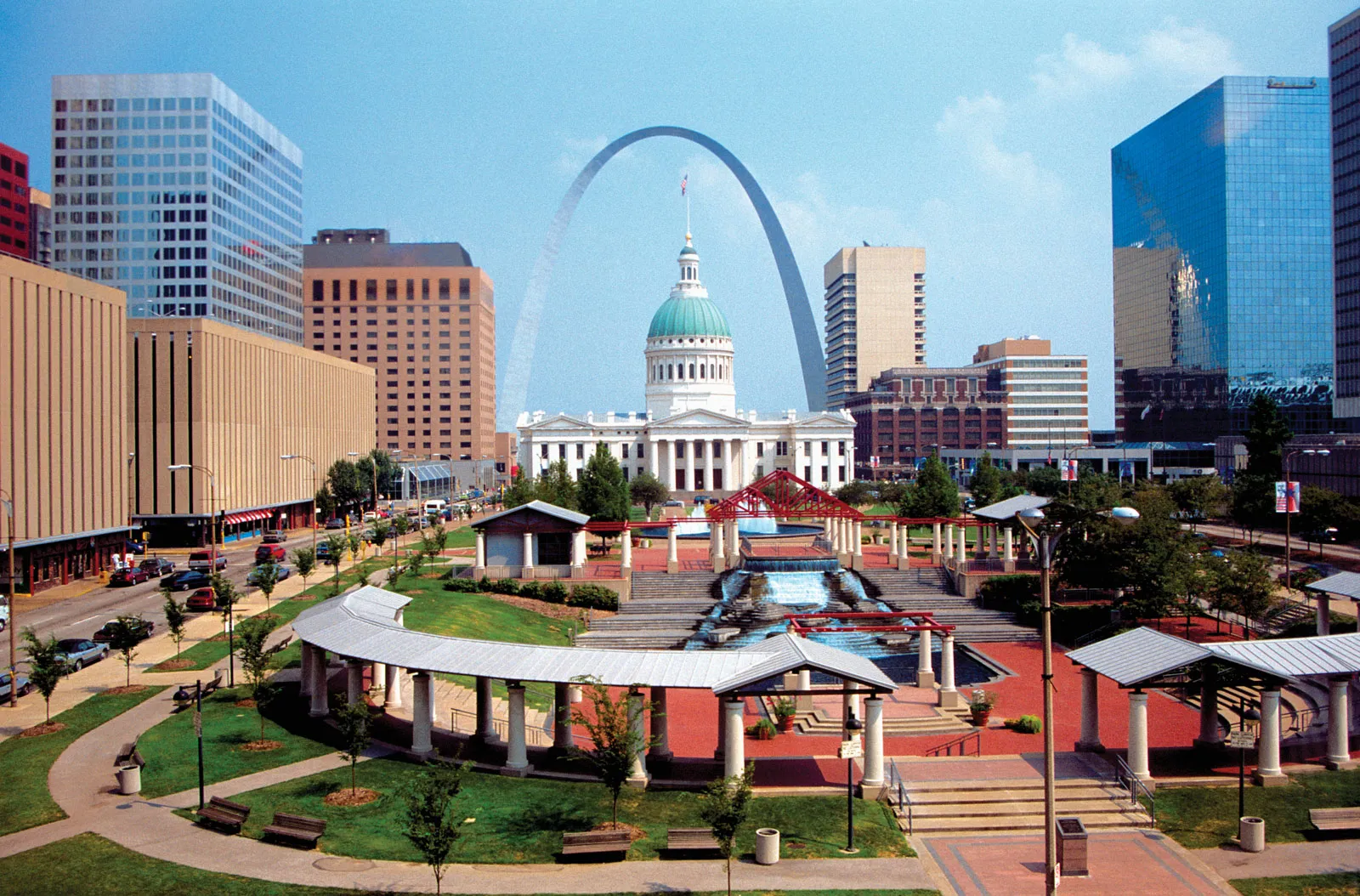
St. Joseph is a value-oriented submittal market: lower basis, older building stock, and an industrial base tied to food processing and animal health make it a different underwriting exercise than the interstate suburbs closer to Kansas City.
Value-Market Scope Definition
St. Joseph is a northwest Missouri river city with a long industrial history, from its original stockyards and rail-shipping era to its present-day role in food processing and the animal health sector that has grown across the region often called the Kansas City Animal Health Corridor. That legacy has left a stock of older industrial and warehouse buildings alongside a downtown commercial core with a mix of retail and rental housing.
A submittal package built for St. Joseph should assume a lower price point and older average building age than a suburban Kansas City candidate, with underwriting weighted toward physical condition and tenant depth rather than growth assumptions.
Candidate Classes in a Legacy Industrial Market
Replacement candidates commonly sourced in St. Joseph include:
- industrial and warehouse buildings tied to food processing and distribution
- rental housing portfolios in established neighborhoods
- neighborhood and downtown retail buildings
- professional office and service-commercial buildings
- value-oriented single-tenant retail along the Belt Highway
Industrial buildings here often carry longer operating histories than newer construction elsewhere in the state, which can work in an investor's favor on price but requires closer review of building systems and any past industrial use.
Access and Legacy Employment Base
I-29 and US 36 provide St. Joseph's regional highway access, with the Belt Highway functioning as the city's main retail corridor and Downtown St. Joseph retaining an older, smaller-scale commercial base. Food processing and animal health employment give the city a more industrial-leaning economy than many comparably sized Missouri markets, which supports steady demand for warehouse and light industrial space even without the rail-hub scale of Kansas City.
Rental housing demand is tied closely to this legacy employment base, and a multifamily or rental portfolio candidate should be reviewed with that employment concentration in mind. Because the city's population growth has been slower than the interstate suburbs closer to Kansas City, an investor should size rent growth assumptions conservatively rather than projecting suburban-style appreciation onto a St. Joseph rental portfolio.
Line-Item Risks in an Older Asset Base
The recurring risks in St. Joseph relate to age and liquidity: older buildings can carry deferred maintenance and environmental history that requires a Phase I review, and the market's smaller size means fewer buyers if an investor needs to exit quickly. Tenant depth in industrial buildings tied to a single processing or distribution use should also be checked, since specialized layouts can narrow the pool of replacement tenants.
These factors do not disqualify St. Joseph as a replacement market, but they do argue for building extra time into any resale or refinancing assumptions.
Submittal Handoff for a Value Market
Because pricing in St. Joseph tends to run lower than in the Kansas City suburbs, investors should confirm with their qualified intermediary and tax advisor how a lower-value replacement property interacts with the 200 percent and 95 percent identification rules if multiple candidates are being considered, since combined identified value matters under those rules.
Before the 180-day exchange period closes, environmental and title findings on any older St. Joseph industrial building should be documented and shared with the lender and title company, since these issues are more likely to surface here than in newer suburban construction.
Common 1031 Exchange Questions
Why does St. Joseph typically show lower pricing than Kansas City suburbs for similar building types?
St. Joseph's building stock skews older and the local economy is smaller and more concentrated in food processing and animal health, which generally supports a lower price point than newer suburban construction closer to Kansas City.
What environmental questions come up most for St. Joseph industrial candidates?
Given the city's long industrial and rail-shipping history, a Phase I environmental review is a common submittal requirement, particularly for older warehouse or processing-adjacent buildings.
How does the 200 percent rule apply if an investor identifies several lower-value St. Joseph properties?
The 200 percent rule limits the combined value of identified properties beyond three to 200 percent of the relinquished property's value. An investor identifying several lower-value candidates should confirm the combined total with their qualified intermediary.
Is rental housing demand in St. Joseph tied to a specific employment base?
Yes, food processing and animal health employment form a significant part of the local economy, and rental housing demand tracks that employment base more closely than it would in a more diversified metro.
What should an investor budget for on an older St. Joseph industrial building?
Reserves for building system age and any remediation identified in an environmental review, along with realistic assumptions about resale liquidity given the market's smaller buyer pool compared to a larger metro.
Should rent growth assumptions for St. Joseph rental housing match those used in Kansas City suburbs?
No. St. Joseph's population growth has generally been slower than the interstate suburbs closer to Kansas City, so rent growth projections for a St. Joseph rental portfolio should be sized more conservatively rather than borrowed from a faster-growing suburban market elsewhere in the state.
Why does the animal health and food processing sector matter for St. Joseph industrial demand?
That sector has anchored a meaningful share of the city's industrial and warehouse tenant base for years, which gives replacement buyers a more concentrated but also more identifiable pool of potential tenants than a market without a comparable industry cluster.